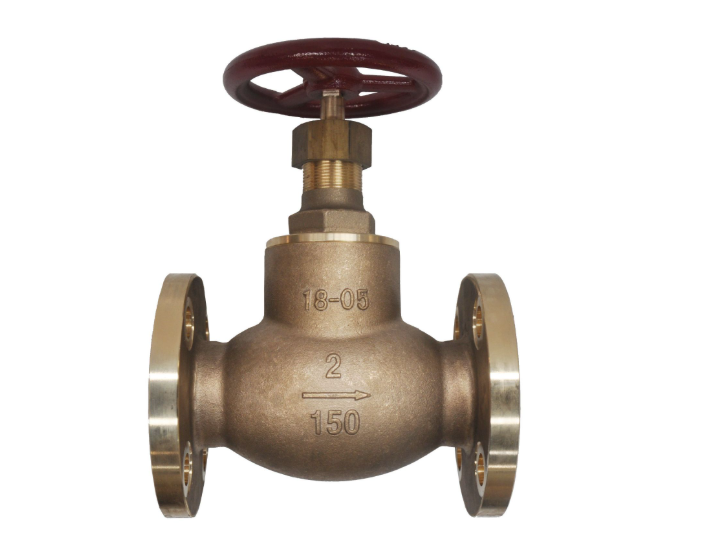
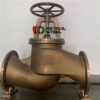
One of the most common misconceptions when buying ASTM, ANSI, and ASME Bronze Marine Valves for EPC contractors, shipyards, marine equipment distributors, and project procurement teams is to think that “ASTM,” “ANSI,” and “ASME” are three valve manufacturing standards that can be used interchangeably. They aren’t. In a real marine valve specification, there are many standards that govern different aspects of the product and different phases of procurement, such as material composition, casting requirements, design of the valve, pressure-temperature ratings, dimensions, end connections, testing, inspection, marking, and documentation. So, from a technical procurement perspective, the first question should not be “Does this valve have an ASTM or ANSI standard?” but rather “Which standard governs each technical requirement of this valve?” For example, ASTM B62 is a material specification for composition bronze castings and specifically designates UNS C83600 for castings used in valves, flanges, and fittings. The present ASTM listing is ASTM B62-17(2025). The other is a different material standard, ASTM B148, the current version of which is B148-24, which covers UNS C95800 and other aluminum-bronze castings. This is important because, generally, an EPC purchase order should specify the material grade separately from the valve construction or dimensional standard. A technically complete description may therefore read UNS C83600 / ASTM B62 composition bronze, applicable valve standard, pressure class, end connection, testing requirements, and project inspection requirements. Put another way, “ASTM ANSI Bronze Marine Valve” is best thought of as a procurement description that represents a number of applicable standards—not one universal manufacturing specification.
The second issue is understanding what the ASME B16 standards actually control. ASME B16.24 is especially significant for copper-alloy flanged valves, as it includes cast copper alloy pipe flanges, flanged fittings, and valves, including pressure-temperature ratings dimensions, markings, materials, bolting, gaskets, tolerances, testing, and other requirements in its scope. But ASME B16.34 is a more general valve standard covering flanged, threaded, and welding-end valves and deals with pressure-temperature ratings, dimensions, tolerances, materials, NDE requirements, testing, and marking, and should only be specified where it is actually applicable to the particular valve design and project specification. The face-to-face and end-to-end installation dimensions may also be relevant because of the purpose of ASME B16.10, which is to provide installation interchangeability for valves of the same material, type, size, rating class, and end connection. This is why there can be a number of different standards on an EPC datasheet at the same time. e.g., a flanged C83600 marine globe valve can be Material: ASTM B62 C83600; Valve Design: applicable MSS/ASME standard; Flanges/Valve Ends: ASME B16.24 where applicable; Face-to-Face: ASME B16.10, where applicable; Testing: relevant valve testing standard. Inspection: project ITP/TPI requirements. MSS SP-80-2019 is another useful reference for bronze gates, globes, angles, and check valves. It contains pressure-temperature ratings, materials, end connections, dimensions, markings, inspection, and testing for general-purpose service. The key procurement lesson is that these standards should not be copied into a quote as a long list. Each should have a clear technical purpose and be marked ‘as applicable’ if it is determined by valve type, connection, material, or project requirements.
| Requirement |
Typical Standard / Reference |
What the Buyer Should Confirm |
| Material – C83600 |
ASTM B62 |
UNS grade, chemical composition, casting requirements, MTC |
| Material – C95800 |
ASTM B148 |
Nickel-aluminum bronze grade, chemistry, and mechanical requirements |
| Bronze Gate / Globe / Angle / Check Valve |
MSS SP-80, where applicable |
Valve type, pressure-temperature rating, materials, dimensions, and testing |
| Cast Copper Alloy Flanged Valve |
ASME B16.24, where applicable |
Class, flange dimensions, pressure-temperature rating, bolting, gaskets |
| General Valve Construction |
ASME B16.34, where applicable |
Rating, dimensions, materials, NDE, testing, and marking |
| Face-to-Face / End-to-End |
ASME B16.10, where applicable |
Installation dimensions and interchangeability |
| Valve Pressure Testing |
API 598 / MSS SP-61 or project-specified standard, as applicable |
Shell test, seat test, test pressure, leakage acceptance |
| Inspection |
Project ITP / TPI specification |
Hold points, witness points, documentation, and inspection scope |
| Marking |
Applicable valve/material standard |
Size, rating, material, manufacturer, and traceability information |
The third, and more difficult for buyers with more than one project specification in hand, is the choice of the material and standard combination that is appropriate for the actual marine service. C83600 and C95800 should not be considered as two commercial names for the same “bronze valve.” C83600 is a composition bronze in ASTM B62. C95800 is one of the nickel-aluminum bronze alloys in ASTM B148. In marine procurement, C83600 may be specified for conventional bronze valve applications if permitted by the project material specification, while C95800 may be selected for more demanding marine, seawater, offshore, or desalination duties when required by the engineering specification. This does not mean that C95800 is the right material for all seawater valves, nor does the word “marine” alone create a material requirement. The full service condition should be reviewed: medium, chloride exposure, pressure, temperature, flow velocity, corrosion environment, valve type, pressure-containing parts, wetted parts, and expected operating life. The same principle applies also to the construction of the valve. The buyer should inspect not only the valve body but also the bonnet, disk or wedge, stem, seat, seat ring, ball, fasteners, and any other wetted or pressure-containing parts. The engineering specification for seawater and offshore applications may impose additional requirements on material combinations, galvanic compatibility, coatings, inspection, or traceability. This is also where many quotation problems start, from an international procurement point of view. A supplier may list ‘C95800 bronze marine valve’ on a commercial quotation, but the buyer’s datasheet may specify a particular material for the body, stem, and trim; a certain pressure class; a defined flange standard; and a specified test procedure. So the safest way is to check the valve datasheet with the material specification, piping class, GA drawing, and project standard together before confirming its compliance.
A fourth issue becomes especially important when purchasing replacement bronze marine valves or valves for an existing ship, offshore platform, seawater system, or marine utility pipeline. In these cases, a valve may comply with a newer standard in a technical sense but is still unsuitable if its dimensions or connections are incompatible with the existing piping system. Procurement teams should therefore check the original valve nameplate, manufacturer, valve type, nominal size, pressure class, end connection, flange drilling, face-to-face dimension, thread type, and installation orientation before ordering a replacement. The project may dictate a specific pipe thread standard for threaded valves. For flanged valves, the purchaser should verify flange dimensions and drilling rather than depend solely on “ANSI 150” as a description. For example, “ANSI 150” does not inform the supplier of valve material, exact construction, testing requirements, or all dimensional details needed for a successful replacement. Testing and inspection should also be clearly laid out. API 598 is a well-established valve inspection and testing standard, and MSS has SP-61 for pressure testing of valves; which document is applicable depends on the valve type and project specification. The API currently lists Standard 598 as “Valve Inspection and Testing,” and MSS lists SP-61-2019 as “Pressure Testing of Valves.” An EPC purchase order may also require an approved inspection & test plan, material certificates, dimensional inspection, pressure test reports, traceability records, and third-party inspection. But documents like that should not be presented as universally applicable to all bronze valves. The applicable standard, client specification, purchase order, and the project ITP identify the appropriate inspection package. This distinction is important, especially for international buyers, as it avoids two common problems: under-specification, which introduces technical and approval risks, and over-specification, which leads to unnecessary cost and lead time.
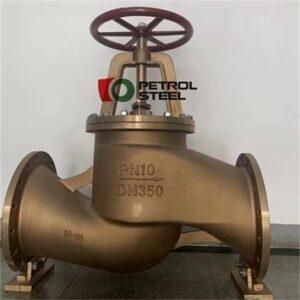
The most efficient way to purchase an ASTM ANSI Bronze Marine Valve is to convert the buyer’s requirement into a structured RFQ instead of sending only a product name. This is based on the experience of a technical team with more than 20 years in valves and piping and an international trading team with more than 15 years of export experience. A practical RFQ should contain valve type + NPS/DN + pressure class + material/UNS grade + applicable material standard + valve design standard + end connection + flange standard or thread standard + service medium + design pressure + design temperature + testing standard + inspection requirements + documentation requirements + quantity + delivery requirement. If the buyer is not sure what standard applies, providing the valve datasheet, piping specification, valve schedule, drawing, or even the existing valve nameplate can help the supplier identify the missing information before quotation. PETROL STEEL offers ASTM ANSI Bronze Marine Valves for marine, shipbuilding, offshore, seawater, desalination, power, and industrial EPC applications. Material options are C83600 and other copper alloy grades depending on project specification. The key point for EPC procurement is simple. ASTM defines material requirements in standards like B62 and B148. ASME standards may define valve, flange, dimensional, and pressure-related requirements. MSS standards cover specific valve types and practices. Testing and inspection standards define how compliance is verified. These standards should be combined to match the real valve design and project needs, not just listed together. A quotation that clearly defines material, valve design, rating, connection, testing, and inspection requirements provides both the buyer and supplier with a much better basis for technical approval, commercial comparison, replacement compatibility, and final project acceptance.