Offshore Platform & Jacket Structural Steel Tubulars Supplier for Oil & Gas EPC Projects
In offshore oil & gas EPC projects, large-diameter structural tubulars are not simply steel pipes. They are integrated into the jacket load path, pile foundation system, and welded structural framework to withstand wave, wind, current, fatigue, lifting, transportation, and installation conditions during the project lifecycle. PETROL STEEL CO., LTD. is a worldwide supplier of Offshore Platform & Jacket Structural Steel Tubulars to international EPC contractors, offshore fabricators, engineering companies, project procurement teams, and energy infrastructure buyers. Our main focus remains on supplying oil & gas piping & equipment, with offshore structural tubulars provided as a complementary engineered product for jacket platforms, piles, braces, riser supports, and related offshore structures. This role allows buyers to engage with a supplier that understands the specification control documentation, inspection, and international logistics expected in energy projects.
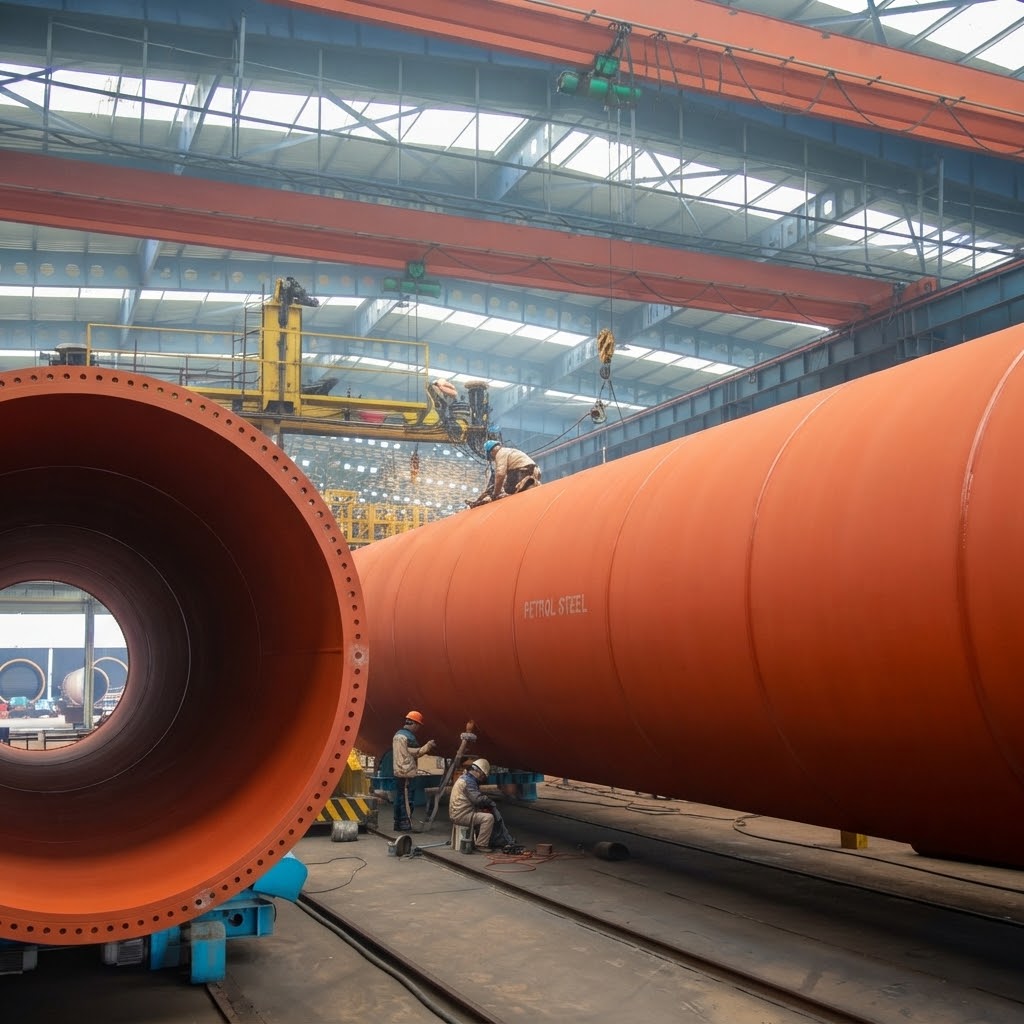
Offshore Platform & Jacket Structural Steel Tubulars for Engineered Offshore Structures
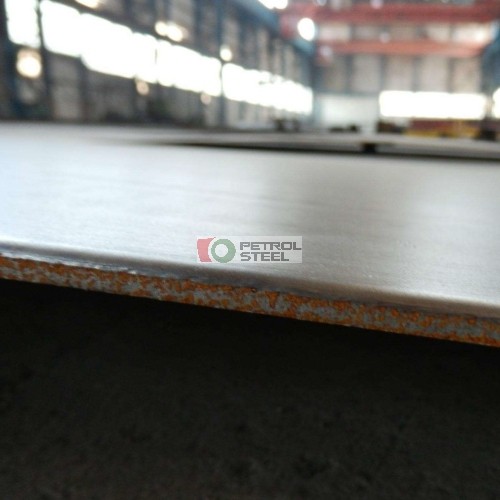
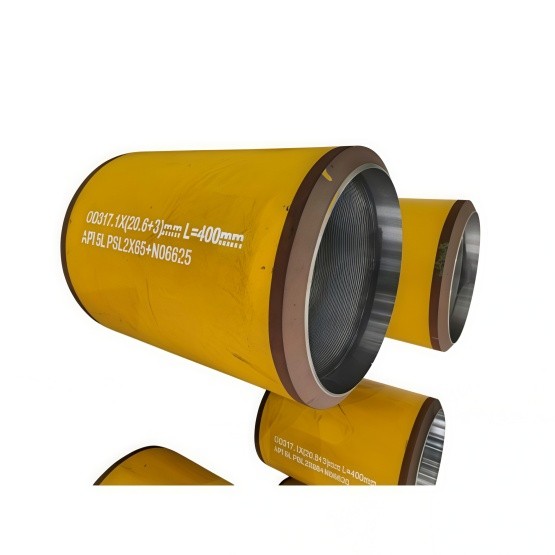
PETROL STEEL supplies large-diameter welded structural tubulars for fixed offshore platforms, jacket legs, braces, piles, pile sleeves, structural nodes, riser supports, flare boom structures, and marine project structures. Standard material grades are API 2H Gr.42/Gr.50, API 2W Gr.50/Gr.60, API 2Y Gr.60, EN 10225 S355G7+M/S355G8+M/S355G10+M, and S420G2+M. For applicable marine structural requirements, ASTM A131 EH36/FH36 can be supplied. Project-specific requirements such as Z35 through-thickness properties, TMCP, controlled carbon equivalent, and approved steel mill documentation can be checked against the project specification. Typical outside diameters are 406 to 3,000 mm, wall thicknesses 12.7 to 120 mm, and individual pipe lengths 6 to 24 m. Cut-to-length and longer shop-assembled sections are available subject to drawings, lifting, and transportation requirements.
Manufacturing is focused primarily on the production of SAWL (Submerged Arc Welded Longitudinal) pipe using JCO or UOE forming. For EPC projects, the important aspect is not only the pipe diameter or steel grade but also if the tubular can be produced, welded, inspected, and documented according to the approved project requirements. PETROL STEEL can coordinate project-specific end preparation, K/X/V grooves, machining or boring, straightening, stress relief treatment if required, welding procedures, and dimensional control. Thus, the supply scope can be aligned with approved drawings, WPS/PQR, ITP, and purchaser requirements instead of considering large structural tubulars as standard catalog pipe.
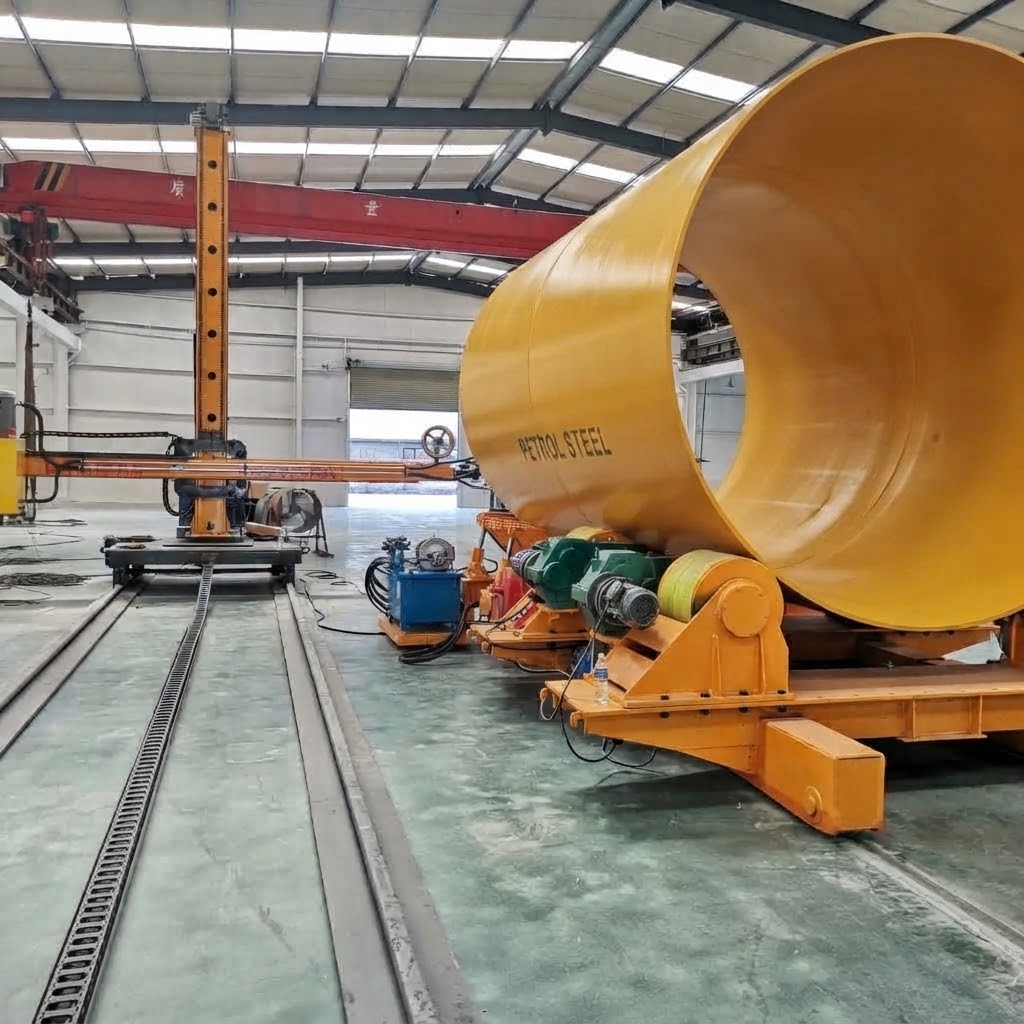
What Offshore EPC Buyers Need to Control
Today offshore procurement is becoming more and more project-specific. In 2025-2026, public project activity will see the fabrication of large jackets and tubular structures for Middle East offshore oil & gas developments and North Sea and offshore wind projects. Recent project disclosures have included thousands of tons of jacket and tubular components, such as braces, pile sleeves, and prefabricated pipe assemblies. So the important questions are practical in the procurement stage: Does the supplier have the capacity to provide the requested material grade? Can we achieve the required diameter and wall thickness? Can the supplier work on the approved welding procedure? Can you trace every completed tube and plate? Can we arrange NDT and third-party inspection? Can oversized cargo arrive at the fabrication yard safely? PETROL STEEL organizes its supply process around these questions. Review of technical requirements prior to quotation. Comparison of manufacturing requirements to project specification. Coordination of inspection and documentation as part of the supply package.
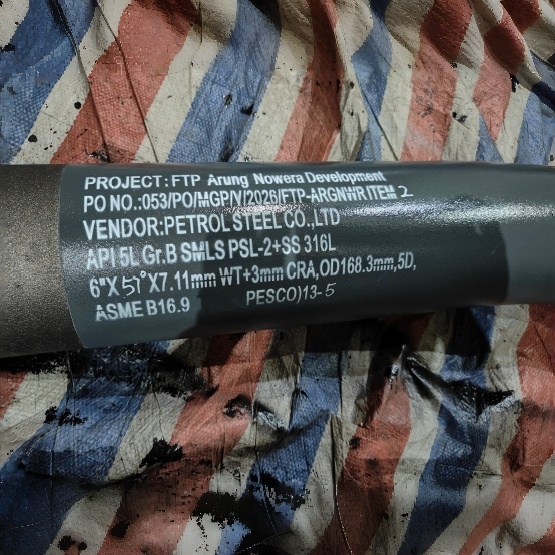
Quality control is especially important for offshore structural tubulars because a dimensional or documentation problem discovered after fabrication may impact fit-up, welding sequence, assembly, and load-out. PETROL STEEL. Offshore Platform & Jacket Structural Steel Tubular Supply. Internal QC Inspection & Third-Party Inspection. Inspection can include UT, AUT, TOFD, RT where required, visual inspection, dimensional inspection, hardness testing, and CVN impact testing depending on the purchase specification. Typical project documentation includes the EN 10204 3.1/3.2 material test certificate, heat and plate traceability, WPS/PQR, NDT reports, dimensional inspection records, and relevant welding or heat-treatment records. Coordination of DNV, ABS, BV, LR, SGS, TUV, or other purchaser-approved inspection organizations in accordance with the project ITP. The goal is simple: the buyer should be able to trace the tubular supplied from material origin, through fabrication, to final inspection.
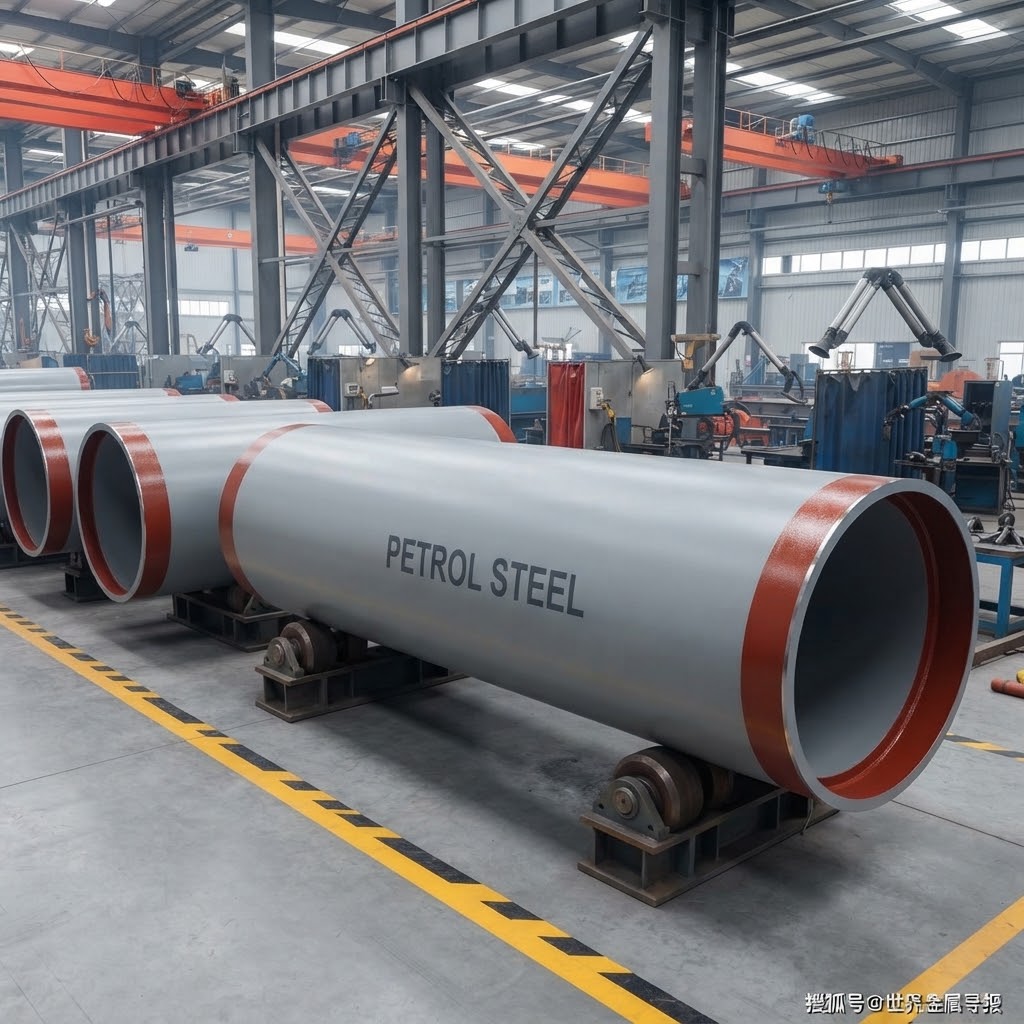
Supply Capability for Oil & Gas, Marine, and Offshore Energy Projects
PETROL STEEL supplies on a specification basis to international EPC contractors, engineering procurement teams, offshore fabrication yards, project buyers, importers, and specialized structural contractors rather than a one-size-fits-all catalog approach. Typical applications include fixed jacket platforms, wellhead platforms, jack-up structures, piles, pile sleeves, riser supports, flare booms, offshore substations, marine terminals, LNG jetty structures, dolphins, and other heavy offshore structures. Offshore wind jacket foundations and offshore substation jackets are also covered where the required steel grade, fabrication specification, and inspection regime match the project scope. Jacket structures are increasingly used in offshore wind, and oil & gas continues to produce significant fixed platform EPC activity. Public project announcements for 2025–2026 show continued jacket fabrication in the Middle East, North Sea, and other offshore markets.
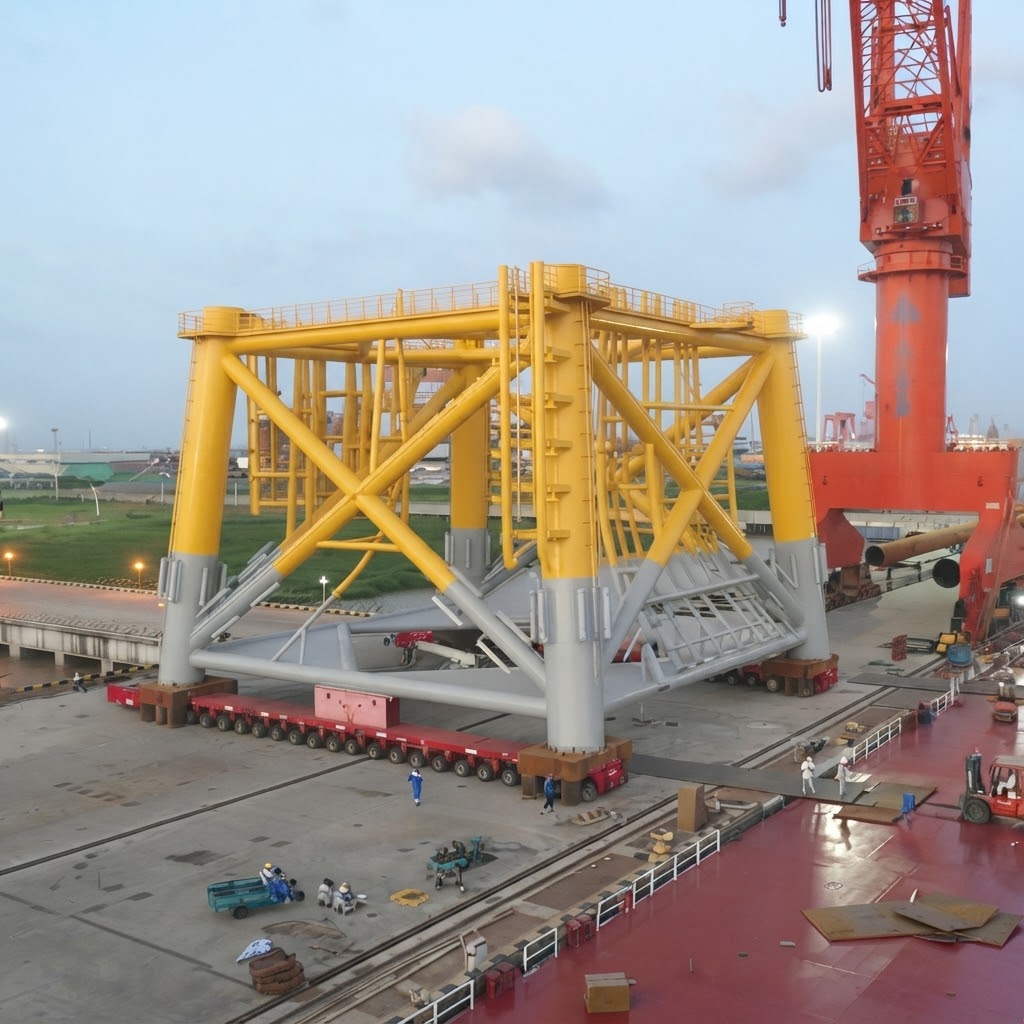
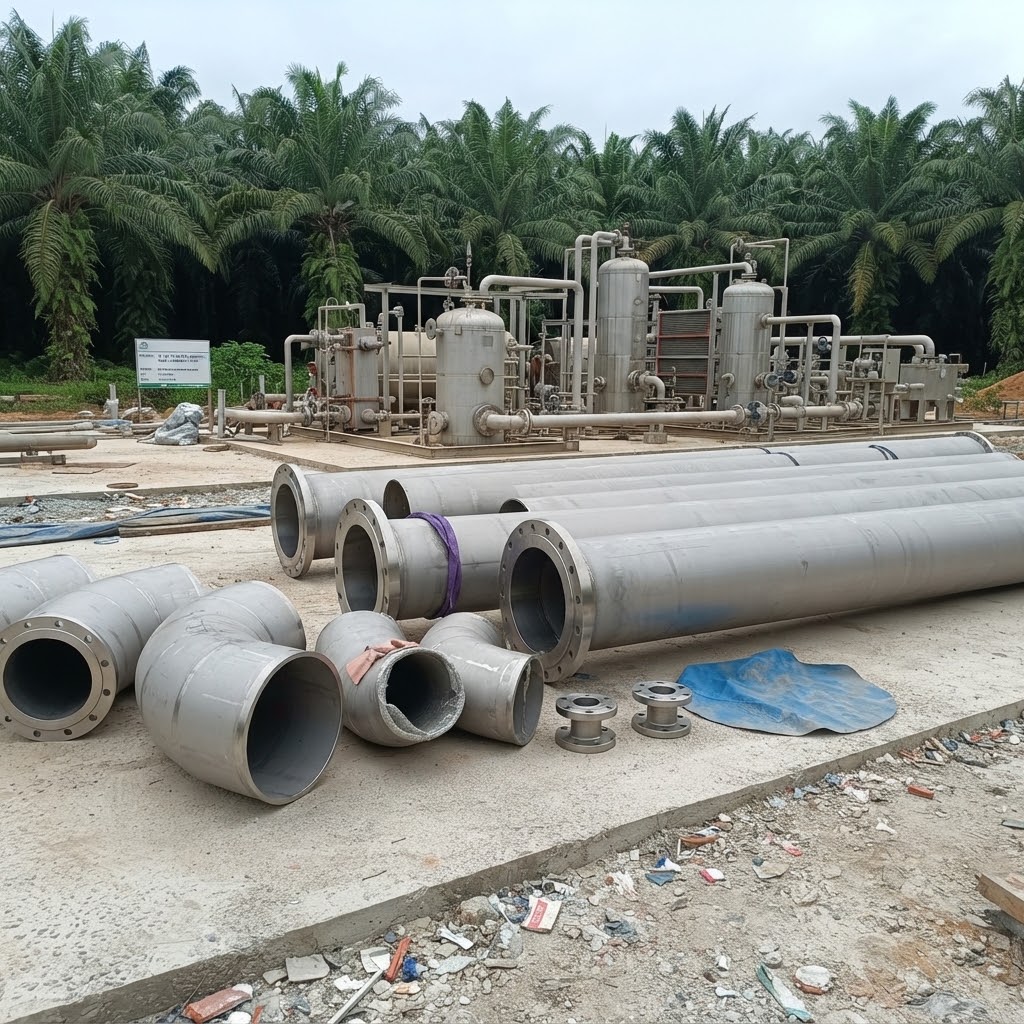
For international buyers, supply capability means taking care of the details after manufacturing. PETROL STEEL can provide project identification marking, heat-number traceability, steel end protection, bevel protection, packing, breakbulk or heavy-lift shipment arrangements, and project cargo documentation. Oversized tubulars are not considered standard container cargo but rather evaluated against the actual route of transport and project requirements. If required, shipping and lifting details can be coordinated with the purchaser’s logistics team. This is especially true for jacket elements, as the final delivery can involve fabrication yards, heavy-lift vessels, barges, port restrictions, and site-specific load-out planning. The aim is to reduce procurement and logistics problems that can be avoided before the material reaches the fabrication yard.
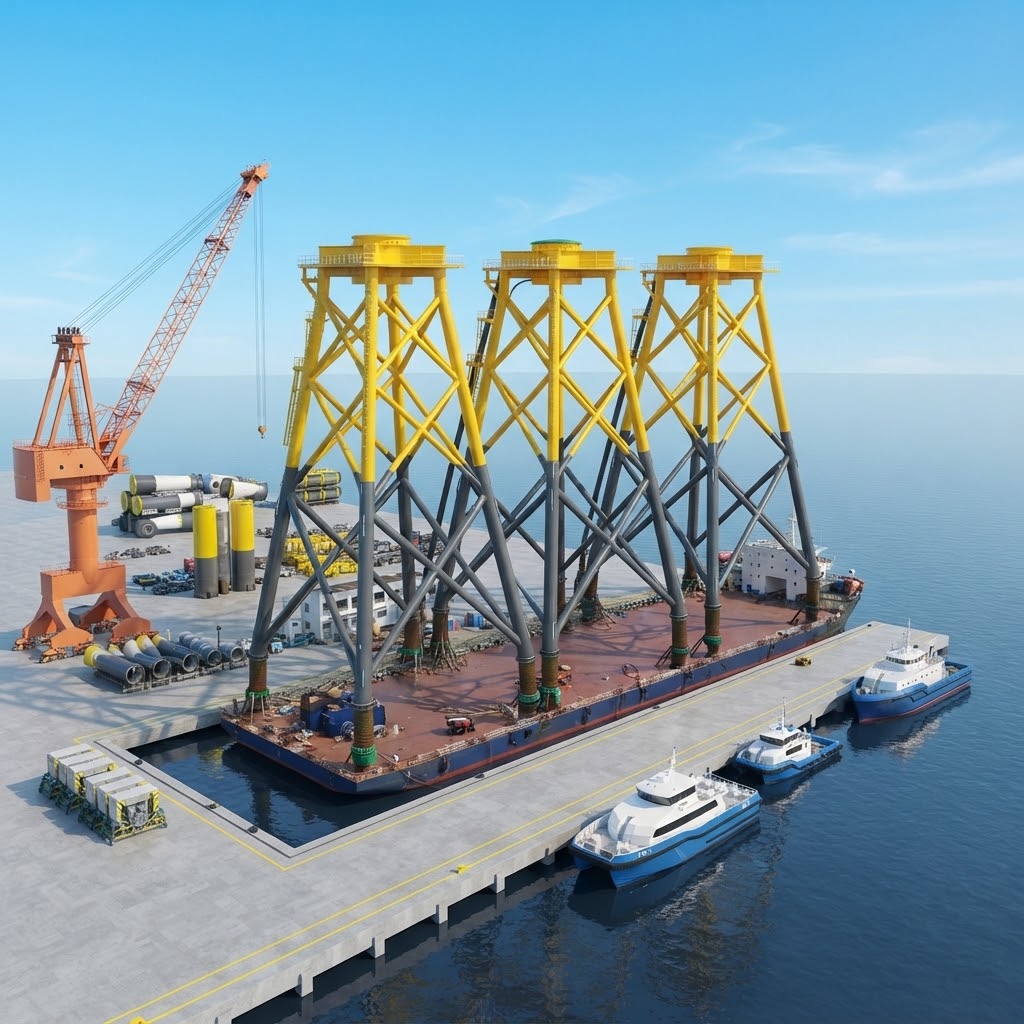
Why EPC Buyers Work with PETROL STEEL
For over 10 years, PETROL STEEL CO., LTD. has been supplying and exporting Offshore Platform & Jacket Structural Steel Tubulars internationally. We have an experienced technical team with over 10 years of industry experience, an international trade and marketing team with more than 20 years of experience, a QC team with more than 10 years of experience, and a logistics team with more than 15 years of experience. The teams provide technical clarification, commercial communication, inspection coordination, documentation, and after-sales service throughout the project supply process. PETROL STEEL applies a quality-control method for supplied Offshore Platform & Jacket Structural Steel Tubulars, including internal QC inspection and third-party inspection, with the stated aim that all shipments will be in accordance with the purchase-agreed requirements. With more than 10 years of export experience in this product line, PETROL STEEL also states that there are no product or service claim cases. These claims should be taken as the reported track record of PETROL STEEL and are available for project-specific verification during supplier qualification.
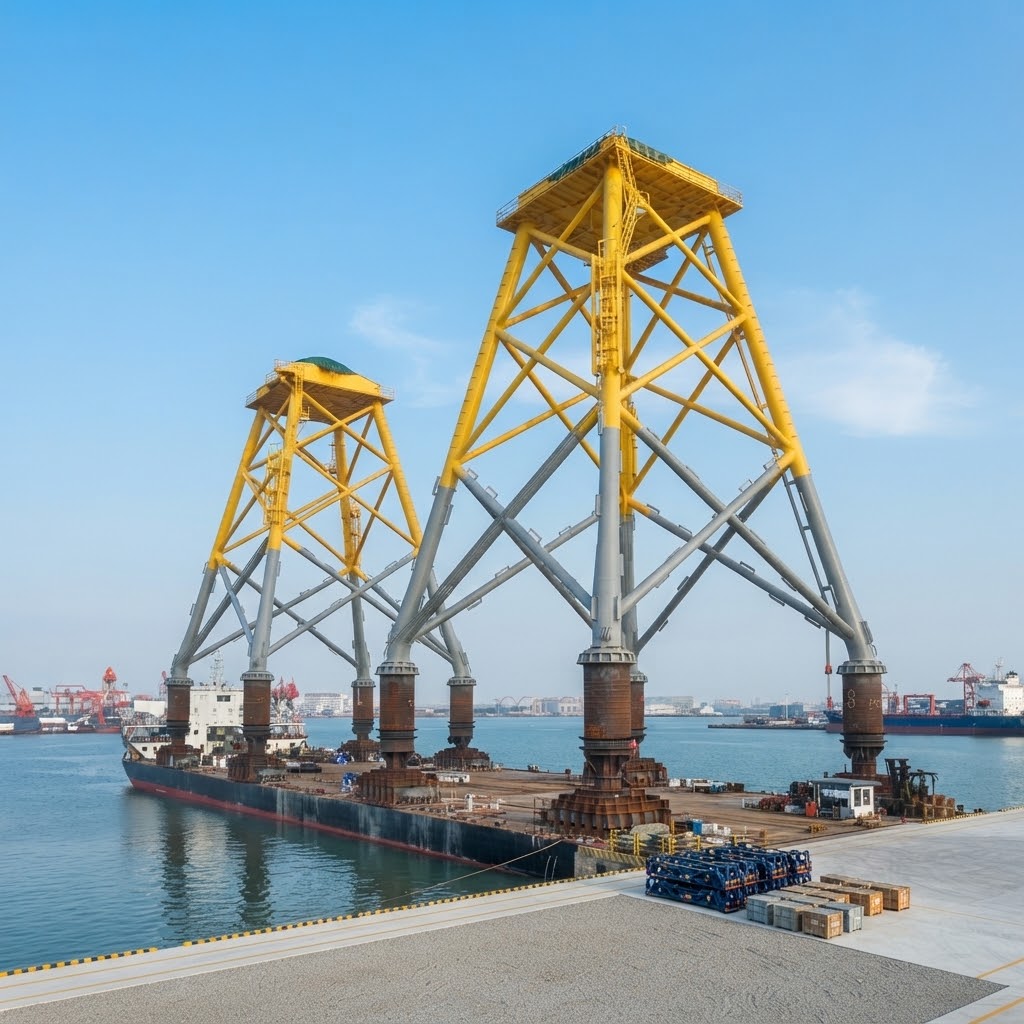
Send Your Jacket Tubular RFQ or Drawings
Send Your Drawing or RFQ → PETROL STEEL Technical Team Review → Technical & Commercial Quotation
EPC buyers can send the project specification, material grade, outside diameter, wall thickness, pipe length, quantity, drawings, applicable standards, WPS/PQR requirements, NDT requirements, inspection plan, coating requirements, and delivery destination for a technical quotation. A jacket tubular RFQ need not be technically reviewed in the perfect format. PETROL STEEL can first check the available MTO, BOQ, drawings, or material requisition to determine the key technical and commercial points for confirmation.