
P-LOC® Hub Clamp Connectors vs Flanges: A Buyer’s Guide for EPC Projects
P-LOC® hub clamp connectors are a compact alternative to high-pressure flanges. Each joint has two forged hubs, a metal seal ring, a pair of clamps, and four sets of bolts and nuts. Petrol Steel designs, manufactures, and exports them in sizes from DN15 to DN2000 for pressures up to 90 MPa and temperatures from -200 […]
SS316/316L Explosion Bonded Clad Pipe
PETROL STEEL (PESCO) supplies SS316/316L explosion-bonded clad pipe: carbon steel line pipe with a metallurgically bonded stainless steel internal layer, built for corrosive process fluids where solid stainless pipe is too costly. Typical supply includes 30-inch (DN750) large-diameter pipe with API 5L Grade B carbon steel backing, beveled ends, and fixed 6 m lengths. Every […]
Why does the clad pipe exist, and where does it stop making sense
A carbon steel pipe carries pressure well and corrodes quickly once the fluid turns wet, sour, or chloride-rich. A solid nickel alloy pipe survives the fluid, but at large diameters and heavy walls most of that expensive alloy sits where no corrosion will ever reach it. Clad pipe splits the job. A steel backing carries […]
ASTM A252 vs. EN 10219 LSAW Pipe Piles: How to Choose Grade, Wall Thickness, and Coating
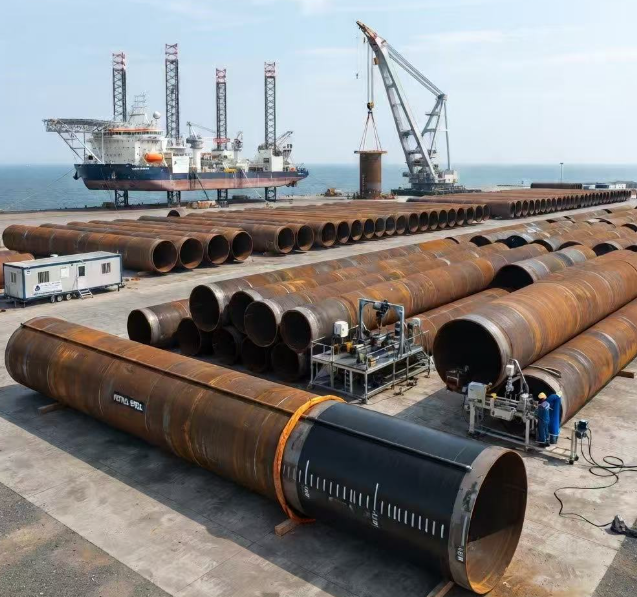
ASTM A252 is the standard written for steel pipe piles and is most common for port, bridge, and onshore foundations. EN 10219 S355J2H is a structural hollow section standard with defined chemistry and impact toughness, often specified for offshore jackets and Eurocode projects. Both can be made as LSAW (SAWL) pipe in diameters from 457 […]
ASTM ANSI Bronze Marine Valve Quality Documents & Inspection Guide
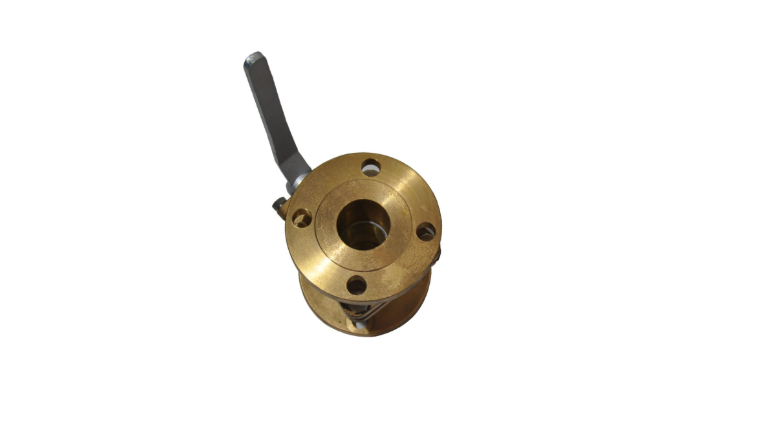
The ASTM ANSI Bronze Marine Valve is only one element of the procurement deliverable for an international EPC project, shipbuilding contract, offshore installation, or marine piping package. Also important is the quality documentation package that shows what was delivered, what material was used, what inspections were performed, what tests were carried out, and whether the […]
What ASTM, ANSI, and ASME Standards Should Be Specified for Bronze Marine Valves?
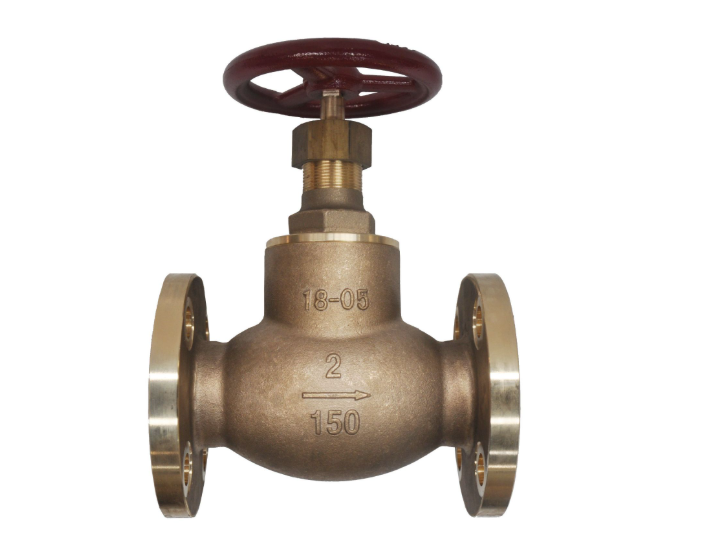
One of the most common misconceptions when buying ASTM, ANSI, and ASME Bronze Marine Valves for EPC contractors, shipyards, marine equipment distributors, and project procurement teams is to think that “ASTM,” “ANSI,” and “ASME” are three valve manufacturing standards that can be used interchangeably. They aren’t. In a real marine valve specification, there are many […]
What Is the Difference Between C83600 and C95800 Marine Bronze Valves?
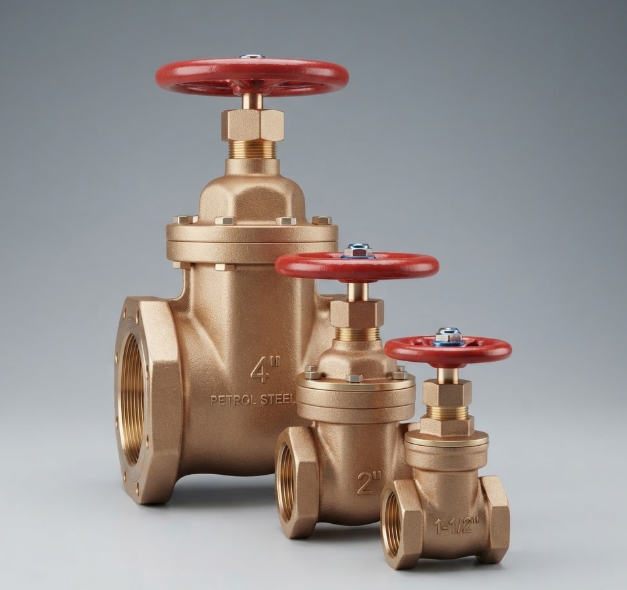
One of the most frequent questions we get from EPC contractors, shipyards, marine equipment importers, and offshore project buyers regarding sourcing ASTM ANSI Bronze Marine Valves is C83600 vs C95800. Both of these materials are used in bronze or copper-alloy valve applications, and while both are described as ‘marine bronze,’ they are not interchangeable. ASTM […]
What are the differences between brass valves and bronze valves?
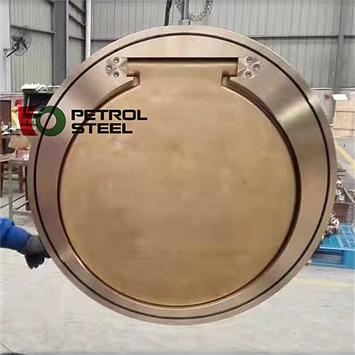
What are the differences between brass valves and bronze valves? Bronze Valves The Romans were the first to manufacture flow control valves, much like those today, in bronze as early as the 1st century BC. One disadvantage of bronze is that bronze can only be cast or machined from a cast ingot. The rough exterior […]
The types and characteristics of Marine Bronze Valves
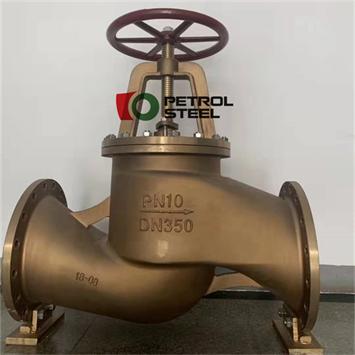
The types and characteristics of Marine Bronze Valves Marine Bronze Valves are widely used in marine, navy, and seawater. It is one of the most corrosion-resistant valves, which is why it is widely used in corrosion protection of the whole seawater pipeline systems. It has a low economic cost, but poor-quality valves are not recommended. […]
The Process of Explosive Welding
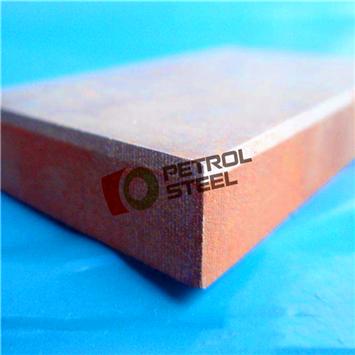
The Introduction of Explosive Welding Recombination. What is clad in Explosive Welding? Metal composite materials processing methods are divided into: direct rolling composite method, explosive bonding method and explosive + rolling combined technology. Rolling compounding method: The two metals that need to be compounded are assembled according to a certain thickness ratio and requirements, […]